Your excavator’s undercarriage is one of its most important and pricey parts. It holds up the whole machine and lets it move around. So it’s no shock that taking care of it can eat up as much as 50% of your machine’s total repair costs. Skip the maintenance, and you’ll end up with costly downtime and parts that wear out way too soon. This guide gives you six practical tips you can use right now. They’ll help you make your undercarriage last way longer.
Keep the Undercarriage Clean
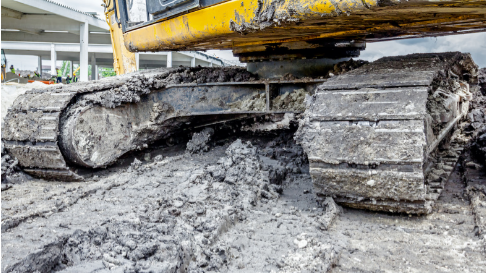
Your excavator’s undercarriage gets caked with mud, dust, stones, and all sorts of junk nonstop during a workday. If you don’t clean it off in time, once that gunk hardens up, it’ll cause all kinds of headaches.
All that extra gunk adds weight to the undercarriage, and fuel use goes right up. Even worse, this dirt and grit rubs against the top rollers, track rollers, and sprockets like sandpaper, wearing them out way faster. Some of that junk can even jam the rollers, making them spin poorly and wear unevenly. When winter hits, frozen gunk can lock parts up tight, leading to major breakdowns.
So make it a rule: clean the undercarriage every single day. Grab a shovel or small spade to scrape off the big clumps of mud first. Then blast the fine grit out from around the rollers, idlers, and inside the tracks with a pressure washer. A clean undercarriage doesn’t just last longer—it also makes checking for wear and tear way easier later
Perform Routine Inspections
Do your daily walk-around check, and keep a sharp eye on the whole track system. Look for uneven or too much wear on the sprocket teeth, idlers, and roller flanges. Check for oil leaks around the rollers or final drive motor. A leak like this usually means a seal’s busted—and if you don’t fix it quickly, it’ll ruin the internal parts in a flash.
Take a good look at the track shoes too: check if any bolts are loose or missing. Then check the track chain for damage—like cracked links or broken pins. If you spot any parts that are really worn out or damaged during your check, don’t drag your feet—fix ’em right away. Sourcing high-quality excavator spare parts to replace worn items like rollers or sprockets is far cheaper than dealing with a complete breakdown. Regular checks are the best way to stay on top of maintenance problems before they blow up.
Practice Smart Operating Habits
How the operator runs the machine directly affects how long the undercarriage lasts. Rough or careless operation can wear out the undercarriage twice as fast as smooth, steady handling. We suggest teaching all operators these basic rules:
- Take wide turns: Skip sharp, spinning turns whenever you can. Twisting or spinning the tracks in place cranks up side stress on track links, pins, bushings, and roller flanges—wearing them out way quicker. Instead, make nice, gradual, wide turns.
- Cut down on unnecessary moving: An excavator for digging, not pushing dirt like a bulldozer, or carting stuff around like a taxi. Don’t drive it fast or far unless you have to. Every time the tracks roll, they wear a little more—so plan your work to avoid extra repositioning.
- Mix up forward and reverse travel: Track pins and bushings wear differently when you’re going forward vs. backward. If you only drive one way all the time (especially reverse), those parts will wear out early—and unevenly. Try to split the time between forward and reverse travel.
- Work up and down slopes (not sideways): If you always run the machine sideways on a hill, all the weight lands on the downhill rollers and idler flanges—causing really bad uneven wear. Whenever possible, point the machine up or down the slope to spread the weight evenly across the undercarriage.
Maintain Proper Track Tension
Wrong track tension is one of the biggest causes of early undercarriage wear. Both too-tight and too-loose tracks spell serious trouble. A track that’s cranked too tight ramps up friction between the pins, bushings, and sprockets big time. Your engine has to work harder to move the machine, and all the moving parts wear out way faster than they should. It’s like driving a car with the parking brake half on.
On the other side, a loose track can slip right off the idlers and sprockets—that’s a huge hassle and pretty dangerous too. A slack track also slaps against the top rollers, and the sprocket teeth end up with a “scalloped” wear pattern because they don’t mesh right with the track bushings.
The sweet spot is just the right tension. As a general rule, you should be able to slide a hand between the track and the frame, right in the middle between the top roller and the front idler. Your operator’s manual will tell you the exact sag measurement to follow. And don’t forget to tweak the tension for your work conditions:
- Keep tracks a little looser in mud or snow—this helps the undercarriage shake off gunk easier.
- Stick to standard tension when working on hard ground.
Choose the Right Tracks for the Job
Picking the right track type for your job is key to keeping things running well and lasting longer. Two main things matter here: how wide the track shoes (or pads) are, and how many grousers they’ve got.
Track Shoe Width
Go for the narrowest shoe that still keeps your machine from sinking into the ground. Narrow shoes work great on hard, rocky ground—they dig in better, put less stress on track pins and bushings when you turn, and they’re lighter too.
Wide shoes are your go-to for soft, muddy, or swampy spots. They spread the machine’s weight out more, so it doesn’t get stuck. But if you use wide shoes on hard ground? They’ll wear out faster, and you’re more likely to damage them when turning.
Grousers
Grousers are the little raised ribs on track shoes that give you grip. The most common kind is the triple grouser shoe—it’s a solid all-rounder, with good traction, long life, and it doesn’t tear up the ground too much. Perfect for most jobs.
If you need maximum grip for hard dirt or rock, single or double grouser shoes work better. But keep in mind—they’ll mess up the ground more and make the machine vibrate more, too.
Follow Proper Digging and Loading Techniques
How you dig and position the machine while working takes a toll on the undercarriage. Don’t use the side of the bucket to sweep material or smooth out a surface. This shoves huge side loads right onto the track parts—and those parts aren’t built to handle that kind of stress.
The best digging position is straight ahead, with the work lined up with the machine’s tracks. Digging off to the side dumps all the weight onto one track, putting extra strain on the rollers and idlers over there. You might have to do it sometimes, but keep it to a minimum.
Same thing with digging over the sprockets (the back end of the undercarriage)—that’ll wear out the final drive system faster. Stick to proper digging moves every time, and you’ll cut down on unnecessary stress for the whole undercarriage. That way, every part lasts a lot longer.
Conclusion
Extending the life of your excavator undercarriage isn’t about one single secret; it’s about a consistent commitment to smart practices. By combining daily cleaning, diligent inspections, skilled operation, and proper equipment setup, you can fight back against wear and tear.
About the Author