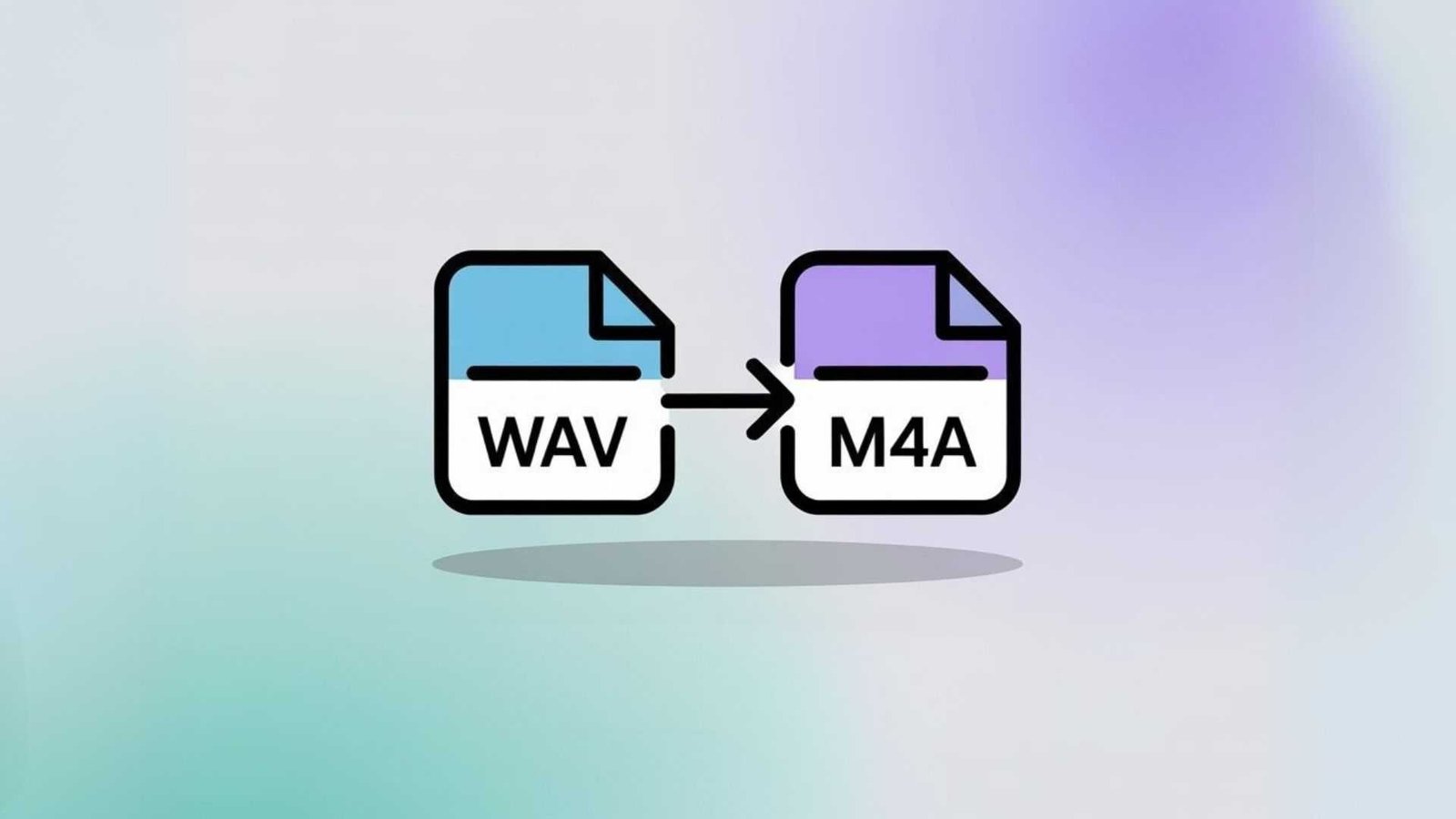
The world of audio hasn’t slowed down—if anything, the need for compatibility, high-quality sound, and flexible media formats has grown significantly. Whether you’re working with music, podcasts, voice memos, audio design, or video production, dealing with different audio formats has become a normal part of the workflow. In 2026, the three most common formats most people constantly interact with are MP3, WAV, and M4A.
Even though these formats have existed for years, their importance hasn’t faded. Instead, their roles have become more defined. Knowing when and why to convert mp3 to wav or m4a to mp3 is part of understanding the modern audio landscape.
Why Audio Format Still Matters in 2026
Audio formats shape how sound is captured, stored, shared, and played. Different formats are optimized for different goals:
- Small file sizes
- High audio accuracy
- Streaming efficiency
- Editing performance
- Compatibility across devices
For creators and everyday users, the format determines whether the file opens easily, sounds the way it should, or can be uploaded to a specific platform. Even with advanced technology and improved media players, the need for converting audio hasn’t disappeared.
The Value of MP3 in a Multi-Platform World
MP3 has been the most common audio format for decades—and it’s still dominant today. It is recognized by every major device, operating system, music player, and streaming service. What makes MP3 timeless is its balance between file size and acceptable sound quality.
Reasons MP3 remains essential:
- Compatible with almost every device
- Small enough for fast uploads and sharing
- Perfect for music libraries and mobile listening
- Works in most editing and playback apps
But the biggest limitation is that MP3 is not the best for audio precision. This is where WAV becomes important.
Why WAV Remains the Preferred Format for Professional Audio
WAV files are much larger because they store uncompressed audio. They are the closest thing to “studio quality” because the audio remains pure and untouched. If you work with sound professionally, WAV files give you room to edit without losing data.
In situations like studio recording, voice-over editing, podcast mixing, or music mastering, WAV is the standard choice. That’s why converting mp3 to wav is common in professional settings. Converting won’t magically improve a low-quality recording, but it prepares the audio for editing and higher-quality processing.
Where M4A Fits Into the Audio Ecosystem
M4A is now one of the most common formats generated by mobile devices and streaming platforms. It uses AAC compression, which performs better than MP3 at similar bitrates. Many voice notes, iPhone recordings, and music files are saved as M4A.
Why M4A is convenient:
- Better quality at smaller sizes
- Ideal for mobile recordings and streaming
- Supported by modern devices and platforms
But M4A is not always compatible with editing software or older systems. Many editors, mixers, or players simply do not support it. That’s where converting m4a to mp3 becomes useful for everyday workflow.
Common Scenarios Where These Conversions Matter
The audio world today spans more than music platforms—it includes social media, editing tools, video production, and communication apps. Conversions are often needed in situations like:
- A clip recorded on a phone needs to be imported into editing software
- A voice note needs to be used in a podcast or promotional video
- Music files need to be shared across different devices
- A presentation or online upload requires a specific audio format
- A WAV file is required for mixing or mastering
These needs extend beyond personal use. Businesses, creators, educators, and developers deal with audio requirements every day.
READ MORE: Video Ads for Gen Z: Marketing to the TikTok Generation
Why Online Converters Became the Practical Solution
Cloud-based tools changed the way audio conversion works. Instead of installing software, downloading programs, or dealing with complicated interfaces, users can convert files instantly using web-based tools.
Advantages of online converters include:
- No installation or registration
- Fast processing
- Works across devices
- No compatibility issues
- Secure temporary file handling
- Simple interface for any user
These tools have become essential in remote and hybrid environments where cross-platform media is unavoidable.
The Role of Audio Formats Moving Forward
As digital media keeps growing through 2025 and 2026, audio remains one of the most consistent forms of content. Social platforms depend heavily on audio, video continues to rely on soundtracks, and podcasts remain among the most popular content formats.
MP3, WAV, and M4A are not disappearing anytime soon. Instead, they are becoming more specialized:
- MP3 for universal compatibility
- WAV for professional editing and production
- M4A for efficient mobile recording and streaming
Understanding when to convert mp3 to wav or transition from m4a to mp3 allows users to move files smoothly between platforms, workflows, and devices.
About the Author