Introduction
Foam is a versatile material that plays a pivotal role across multiple industries, from construction to automotive, marine, and healthcare. However, its true potential is unlocked through foam conversion, a process that transforms standard foam sheets and blocks into specialized products tailored to unique applications. In this article, we explore the world of foam conversion, its processes, applications, and benefits, with a special focus on acoustic foam conversion for improved sound management.
What is Foam Conversion?
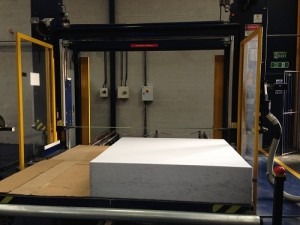
Foam conversion refers to the processing of foam to create a finished product with specific properties or shapes. Using advanced machinery and techniques, foam can be transformed from basic sheets or blocks into products that meet technical and aesthetic requirements. A foam converter utilizes equipment such as band saws, CNC profiling machines, slitter laminators, water jets, die cut presses, and spray booths to achieve precise and customizable results.
The versatility of foam means it can serve multiple functions: cushioning, insulation, packaging, soundproofing, and even medical applications. By employing specialized processes, a simple foam sheet can evolve into a highly functional solution, tailored to each customer’s unique needs.
Types of Foam Used in Conversion
The type of foam determines its suitability for specific applications. Some of the most commonly converted foams include:
- Polyurethane Foam: Soft and flexible, ideal for cushions, mattresses, packaging, and acoustic panels.
- Polystyrene Foam: Lightweight and insulating, commonly used for packaging, disposable containers, and thermal insulation.
- Polyethylene Foam: Durable and moisture-resistant, often applied in protective packaging, insulation, and padding.
Each foam type comes with distinct properties that a skilled foam converter can optimize for desired performance, whether it’s comfort, protection, or sound absorption.
Foam Conversion Processes
Transforming foam into functional products requires precision and expertise. The main processes include:
1. Cutting
Foam can be cut into various shapes and sizes using techniques like hot wire cutting, water jet cutting, die cutting, or CNC profiling. This step ensures the foam fits perfectly within its intended application, whether it’s a custom packaging insert or a bespoke acoustic panel.
2. Moulding
Moulding allows foam to take specific forms through compression or injection techniques. This process is ideal for producing uniform, repeatable shapes such as automotive armrests or orthopaedic supports.
3. Laminating
Laminating involves bonding multiple foam layers or attaching foam to other materials. This enhances properties like durability, sound absorption, and thermal insulation.
4. Fabrication
Fabrication combines foam with other materials to create finished products, ready for industrial, commercial, or residential applications.
By employing these processes, a foam converter can tailor foam for virtually any industry or requirement.
Acoustic Foam Conversion: Managing Sound Effectively
One of the most significant applications of foam conversion is acoustic foam conversion, which focuses on improving the acoustic environment of a space. Acoustic foam is designed to absorb sound waves, reduce echoes, and minimize reverberation.
How Acoustic Foam Works
- Sound Absorption: Foam panels absorb mid- to high-frequency sound waves, reducing unwanted reflections.
- Surface Area: Unique shapes like wedges, pyramids, and egg crates increase surface area for more effective absorption.
- Frequency Management: For low-frequency sounds, additional soundproofing measures may be required, such as bass traps or thicker panels.
Applications of Acoustic Foam Conversion
- Recording Studios: Ensures clarity of sound by controlling echoes and background noise.
- Home Theatres: Enhances audio quality for immersive entertainment experiences.
- Offices & Public Spaces: Reduces noise distractions, improving concentration and communication.
- Industrial Settings: Class 0 foams provide fire-resistant acoustic solutions for engine rooms, heavy vehicles, and generator canopies.
Class 0 acoustic foam is particularly noteworthy for its fire-retardant properties, chemical inertness, and flexibility. It can be cut, profiled, and laminated with other materials to deliver high-performance sound absorption in challenging environments.
Customization: Tailoring Foam for Every Need
One of the key advantages of working with an experienced foam converter is the ability to customize products. Foam conversion allows you to:
- Adjust thickness, density, and firmness.
- Profile foam to fit complex shapes and curved surfaces.
- Combine multiple materials for enhanced performance.
- Incorporate fire-retardant or environmentally friendly materials.
This flexibility makes foam conversion suitable for a wide range of sectors, from automotive and marine to healthcare and construction.
Benefits of Foam Conversion
Investing in foam conversion delivers multiple benefits:
1. Enhanced Performance
Converted foam products provide targeted performance, whether it’s superior cushioning, thermal insulation, or acoustic management.
2. Cost-Effective Solutions
By optimizing foam properties and reducing material waste, foam conversion offers an economical approach to high-quality products.
3. Safety and Compliance
Fire-retardant foams, such as Class 0 profiles, meet strict safety standards, ensuring reliability in high-risk environments.
4. Versatility
Foam conversion can produce a wide range of products, including packaging inserts, cushions, soundproofing panels, automotive components, and medical supports.
5. Sustainability
Many foam converters now offer eco-friendly options, using recycled materials or processes that minimize environmental impact.
Industries Benefiting from Foam Conversion
The applications of foam conversion are diverse:
- Construction: Thermal and acoustic insulation for buildings, offices, and public spaces.
- Automotive: Interior components such as headrests, armrests, and engine insulation.
- Marine: Fire-resistant and acoustic insulation for yachts, engine rooms, and cabins.
- Healthcare: Orthopaedic supports, medical cushions, and prosthetic padding.
- Packaging: Customized inserts to protect delicate items during transportation.
Each sector relies on tailored foam solutions to meet strict performance, safety, and aesthetic requirements.
Quality and Expertise in Foam Conversion
High-quality foam conversion relies on expertise, precision machinery, and rigorous quality control. Companies like Acoustafoam combine decades of experience with state-of-the-art equipment to deliver reliable, consistent, and high-performance products. From CNC profiling machines to die cut presses and water jets, every step is monitored to ensure that the final product meets customer specifications.
Additionally, a knowledgeable team can advise on foam selection, design, and finishing processes, ensuring each product delivers optimal results. This combination of technical skill and industry expertise is what sets professional foam converters apart.
Conclusion
Foam conversion is more than just cutting or shaping foam; it’s the process of transforming a versatile material into a functional, high-performance solution. Whether you require acoustic foam conversion for soundproofing, customized packaging, automotive components, or medical supports, foam conversion ensures precision, safety, and efficiency.
With specialized equipment and industry knowledge, professional foam converters can deliver tailored solutions that meet your specific requirements. From Class 0 fire-retardant foams to laminated acoustic panels, the possibilities are vast and adaptable.
For businesses and individuals seeking high-quality, customized foam products, reaching out to a trusted foam converter like Acoustafoam can unlock innovative solutions for any industry. By combining technical expertise with decades of experience, foam conversion offers both versatility and reliability.
Contact Acoustafoam today to explore the full range of foam conversion and acoustic foam solutions. Whether for industrial, commercial, or personal applications, the right foam solution is just a call away.
READ MORE: Top Home Improvements with the Best ROI in Herne Bay
About the Author