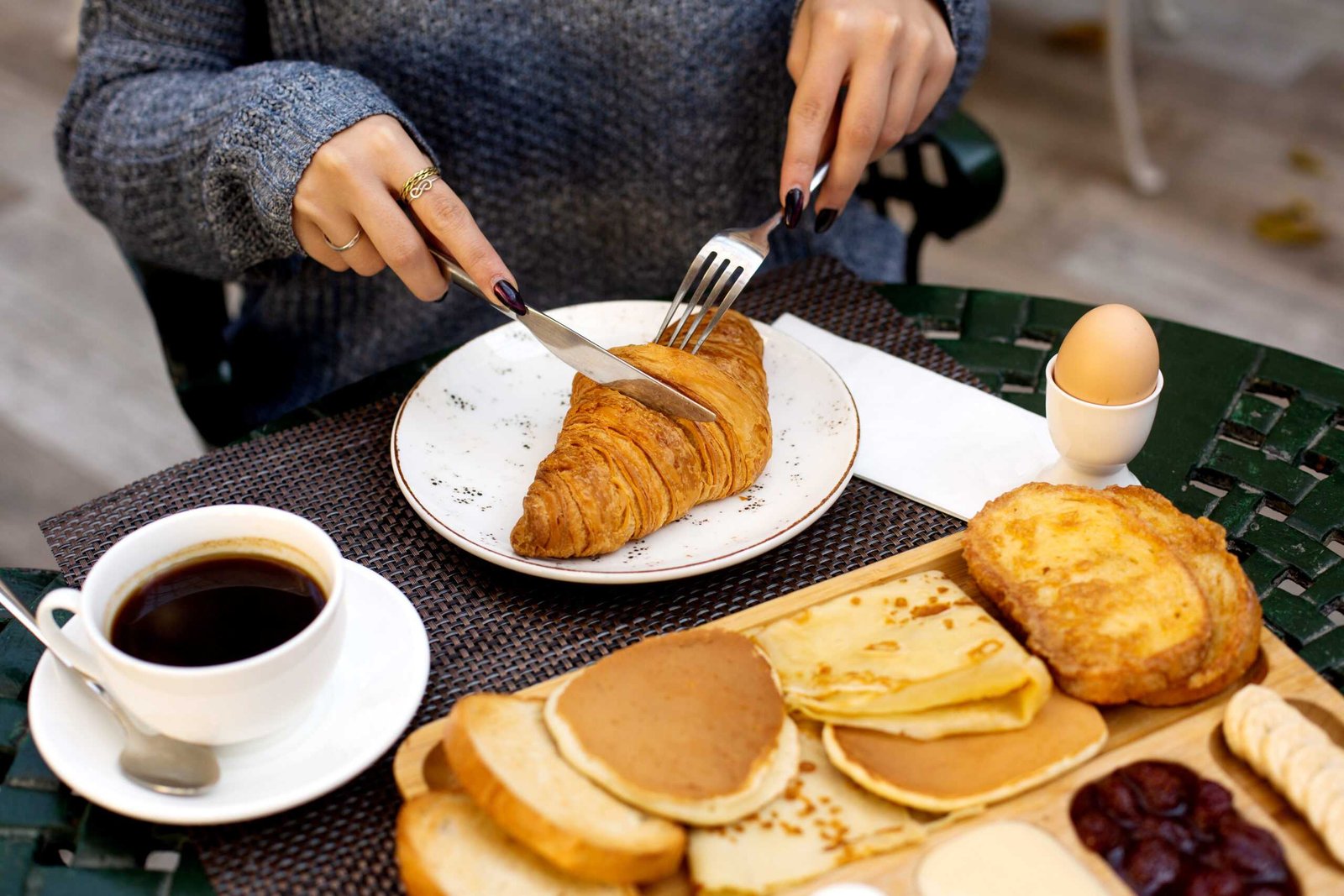
To many UK consumers, breakfast is a practical matter: something filling, protein-heavy, and designed to keep you going until lunch. In Italy, breakfast is approached differently. It’s lighter. It’s sweeter. And above all, it’s about rhythm. Italian breakfast isn’t meant to impress – it’s meant to comfort.
This contrast is part of why Italian breakfast culture has become so fascinating to British shoppers. It feels both indulgent and simple, familiar and different. And it fits modern lifestyles surprisingly well, especially as more people prefer lighter mornings, stronger coffee culture, and quick but enjoyable routines.
The philosophy: simplicity that still feels special
Italian breakfast is minimalistic by design. The typical structure is:
- coffee
- something sweet
- a few quiet minutes (even if brief)
This isn’t a culture that piles breakfast plates high. Instead, Italians tend to eat lightly in the morning, with larger meals later in the day. But that doesn’t mean breakfast is unimportant – it’s symbolic. It sets the tone of the day.
This is why Italian breakfast staples are often bakery-based: biscuits, pastries, small cakes, toasted breads, spreads. They offer gentle sweetness and pair perfectly with coffee.
Coffee: the anchor of the Italian morning
If there is one thing that defines Italian breakfast, it’s coffee. More than the food, coffee is the daily ritual. It’s also governed by a social code that many visitors find charming:
- cappuccino is typically a morning drink
- espresso can happen anytime
- coffee is often consumed standing at a bar
- the experience is quick but meaningful
This coffee-first identity has influenced UK habits. British consumers have become more coffee-focused, more aware of espresso culture, and more interested in pairing coffee with European snack-style bakery products.
What Italians actually eat for breakfast
The most iconic Italian breakfast item is the cornetto (Italy’s cousin of the croissant). It’s softer, slightly sweeter, and often filled with pastry cream, apricot jam, or chocolate. But Italian breakfast goes far beyond pastries.
Many Italians eat:
- buttery biscuits designed for dipping into coffee
- fette biscottate (crispy rusks) topped with jam
- simple sponge cakes
- sweet rolls
- yogurt with cereals
- occasional fruit, especially in summer
Packaged bakery items are especially important because they’re easy, consistent, and designed around the coffee ritual. Brands like Mulino Bianco sit naturally within that landscape because they reflect the Italian tradition of everyday sweet breakfast staples rather than “dessert foods.”
Why Italian breakfast stays sweet (and why it works)
From a UK perspective, a sweet breakfast might sound like sugar overload. But in Italy, sweetness is often balanced and restrained. Portions tend to be smaller, flavours are simpler, and the “sweet” is usually not intensely sugary – more buttery, vanilla, or fruit-based.
There are cultural reasons too:
- Italian lunch and dinner traditions are strong and structured
- breakfast is not expected to be the main meal
- sweets feel emotionally comforting in the morning
- coffee culture naturally pairs with bakery flavours
In other words: the sweet breakfast isn’t random – it’s logical.
Why Italian breakfast culture resonates in the UK
Italian breakfast culture fits modern UK lifestyle shifts in several ways:
- many people want lighter breakfasts
- coffee has become more central
- quick routines are essential
- food is increasingly tied to “small daily pleasures”
There’s also a cultural appeal. Italian breakfast feels warm and human. It’s not about optimisation; it’s about enjoying the start of the day.
How to bring Italian breakfast habits into your life
You don’t need to change everything to enjoy Italian breakfast culture. The simplest version is:
- make good coffee
- choose one small sweet bite
- eat slowly for five minutes
It’s a lifestyle upgrade that doesn’t require extra effort – just intention.
Conclusion
Italian breakfast culture remains beloved because it’s practical, comforting, and rooted in pleasure. It reminds us that food rituals don’t need to be complicated to be meaningful. In a world that pushes speed and productivity, the Italian approach offers something refreshingly human: sweetness, simplicity, and the quiet power of a good morning routine.
About the Author