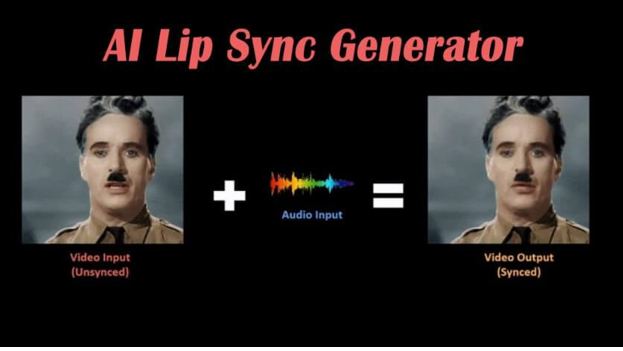
Video content has become the most powerful way to communicate online, but language barriers and production challenges often limit its reach. This is where lip sync AI and translate video technologies are changing the game. These advanced AI tools allow creators, businesses, and educators to localize videos for global audiences while maintaining natural visuals and emotional impact.
Understanding Lip Sync AI
Lip sync AI is a technology that automatically matches a speaker’s lip movements with new audio. Instead of re-recording a video for every language, AI analyzes facial movements and adjusts them to align perfectly with translated speech or new voiceovers.
This technology uses deep learning models trained on thousands of facial expressions and speech patterns. The result is a video that looks authentic, even though the original audio has been replaced. Viewers experience smooth, realistic lip movements that closely resemble natural human speech.
Why Lip Sync AI Matters
Traditional dubbing often feels unnatural because the lips do not match the spoken words. Lip sync AI solves this problem by ensuring visual consistency, which improves viewer trust and engagement. This is especially important for professional content such as marketing videos, tutorials, and brand messages.
What Does Translate Video Mean?
To translate video means converting spoken content from one language into another while preserving the original context, tone, and timing. Modern AI tools go far beyond basic subtitles. They can detect speech, translate it accurately, generate natural voiceovers, and combine everything seamlessly into the original video.
When paired with lip sync AI, video translation becomes almost indistinguishable from native content. The speaker appears to talk fluently in multiple languages without any visible mismatch.
How Lip Sync AI and Video Translation Work Together
The process usually follows these steps:
- Speech Recognition – AI detects and transcribes the original dialogue.
- Language Translation – The script is translated into the target language with contextual accuracy.
- Voice Generation – AI creates a natural-sounding voice that matches the original tone and pacing.
- Lip Synchronization – Lip sync AI adjusts facial movements to align with the new audio.
- Final Rendering – The translated video is produced with realistic visuals and sound.
This workflow saves time, reduces production costs, and ensures consistency across languages.
Key Benefits for Creators and Businesses
Global Reach
By using lip sync AI to translate video content, creators can reach international audiences without creating separate videos for each language. This dramatically increases visibility and engagement.
Cost and Time Efficiency
Hiring actors, translators, and video editors for multilingual content is expensive. AI automation significantly reduces these costs while speeding up production.
Improved Viewer Experience
Natural lip movement and accurate translations make videos more enjoyable and trustworthy. Viewers are more likely to watch longer and take action.
Scalable Content Strategy
Once a video is created, it can be translated into multiple languages quickly, making it ideal for large content libraries and growing platforms.
Practical Use Cases
Lip sync AI and video translation are being used across many industries:
- Marketing and Advertising – Brands localize campaigns for different regions without reshooting videos.
- Education and E-learning – Courses are made accessible to students worldwide.
- Corporate Training – Multinational companies train employees in their native languages.
- Social Media Content – Creators expand their follower base across different countries.
- Customer Support Videos – Tutorials and guides become more inclusive and effective.
Accuracy and Ethical Considerations
While lip sync AI is powerful, responsible use is essential. Transparency matters, especially when altering speech or visuals. Ethical AI platforms prioritize consent, data security, and accuracy to avoid misuse or misinformation.
Choosing reliable tools that emphasize quality and ethical standards ensures that translated videos remain trustworthy and professional.
The Future of AI-Driven Video Localization
As AI continues to evolve, lip sync accuracy and language translation quality will only improve. Future developments may include real-time translation, emotional tone adaptation, and even personalized voice cloning with higher realism.
For creators and businesses aiming to stay competitive, adopting these technologies early provides a clear advantage in global communication.
Final Thoughts
Lip sync AI and translate video solutions are redefining how content travels across borders. By eliminating language barriers and enhancing realism, these tools allow videos to connect with audiences worldwide. Whether for education, marketing, or entertainment, AI-powered video localization is no longer optional—it’s the future of digital communication.
READ MORE: Video Ads for Gen Z: Marketing to the TikTok Generation
About the Author