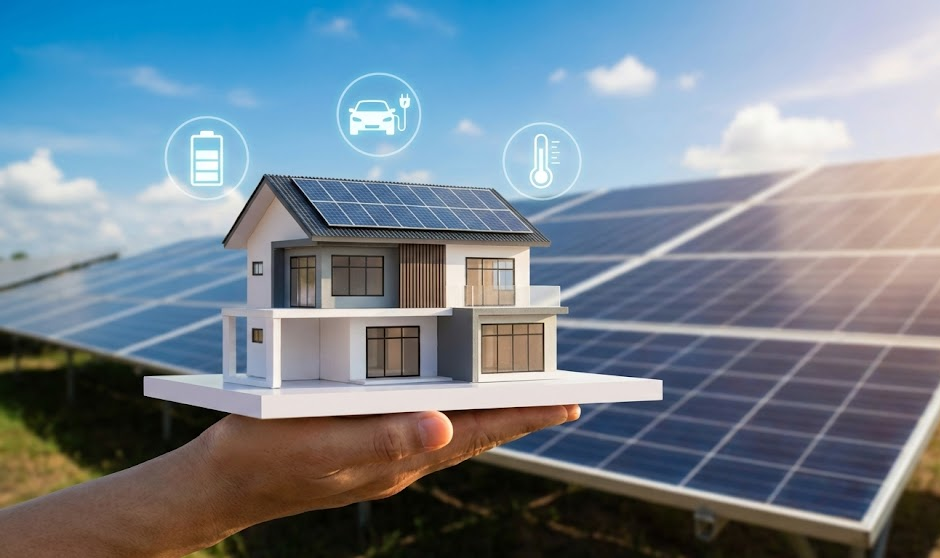
In an era where the cost of living seems to only go up, homeowners are constantly looking for ways to tighten their belts without sacrificing comfort. While “smart home” technology is often marketed as a luxury convenience—allowing you to play music with your voice or check your doorbell from vacation—its true value lies in efficiency. The right technological integrations can transform a house from an energy-guzzling liability into a streamlined, cost-effective asset.
Investing in home automation is not just about having the latest gadgets; it is about strategic financial planning. By reducing waste, optimizing usage, and preventing costly disasters, smart upgrades can pay for themselves over time, putting money back into your pocket month after month. Whether you are looking to shave a few dollars off your electric bill or make a significant dent in your carbon footprint, here are the most effective smart home upgrades that improve long-term savings.
1. Intelligent Thermostats and Climate Control
Heating and cooling typically account for the largest portion of a home’s energy expenses, often making up nearly half of the utility bill. Traditional thermostats are static; they heat or cool based on a manual setting, regardless of whether anyone is actually home or if the weather has suddenly changed. Smart thermostats solve this inefficiency by learning your schedule and habits.
These devices utilize motion sensors and geofencing technology (using your phone’s location) to determine when the house is empty, automatically adjusting the temperature to an eco-friendly setting. Over time, they build a profile of your heating and cooling preferences, making micro-adjustments that save energy without you feeling the difference. According to Energy Star, homeowners can save roughly 8% on heating and 10% on cooling costs annually with a smart thermostat.
Tip: Look for smart thermostats that offer “room sensors.” These allow the system to prioritize the temperature in the rooms you are actually using, rather than heating an empty guest room.
2. Smart LED Lighting and Automated Switches
While switching to LED bulbs is a common first step for energy efficiency, integrating them into a smart system takes the savings further. Smart lighting systems allow for granular control over every bulb in the house. You can schedule lights to turn off automatically at sunrise, dim them to 50% power in the evenings to save watts, or ensure the kids never leave the bathroom light on all day again via motion sensors.
Smart switches and bulbs also offer longevity. Because you can control the intensity and duration of use more precisely, smart LEDs often last significantly longer than their standard LED counterparts, which already last 25 times longer than incandescent bulbs. This reduces the replacement cost over the lifespan of your home.
3. High-Efficiency Solar Energy Systems
Perhaps the most significant investment with the highest potential return is the installation of solar panels. Generating your own electricity protects you from volatile utility rates and, in many jurisdictions, allows you to sell excess power back to the grid through net metering. While the upfront cost can be substantial, the break-even point has dropped significantly in recent years due to improved technology and federal tax incentives.
Geography plays a role in efficiency, but modern panels are effective in a variety of climates. For example, homeowners looking for solar companies in Utah will find that the state’s high altitude and sunny days make it an ideal location for solar harvesting. Regardless of where you live, consulting with a local expert can help you understand the specific ROI for your property, often resulting in tens of thousands of dollars in savings over the system’s 25-year lifespan.
4. Smart Water Leak Detectors
Not all savings come from lower monthly bills; some come from avoiding catastrophic expenses. Water damage is one of the most common and costly insurance claims homeowners face. A burst pipe or a leaking water heater can cause thousands of dollars in structural damage and mold remediation before you even notice a damp spot on the carpet.
Smart water leak detectors are small sensors placed near toilets, washing machines, and water heaters. If they detect moisture, they send an immediate alert to your smartphone. More advanced systems connect directly to your main water line and can automatically shut off the water supply the moment a leak is detected. By preventing a minor leak from becoming a major flood, these devices safeguard your wallet against massive repair bills and insurance deductibles.
5. Smart Plugs and Power Strips
Many electronic devices, such as televisions, gaming consoles, and coffee makers, continue to draw power even when they are turned “off.” This phenomenon, known as “phantom load” or “vampire power,” can account for up to 10% of your monthly electricity usage.
Smart plugs and smart power strips eliminate this waste by cutting power to the device completely when it is not in use. You can set schedules to ensure your entertainment center is strictly powered down while you are at work or sleeping. Some smart plugs even monitor energy consumption, providing real-time data on which appliances are the biggest energy hogs in your home, allowing you to make informed decisions about when to upgrade old appliances.
6. Smart Irrigation Controllers
For homeowners with lawns and gardens, outdoor water use can be a drain on finances, especially in arid regions. Traditional sprinkler timers are notorious for watering the lawn during a rainstorm, wasting valuable resources.
Smart irrigation controllers replace standard timers and connect to local weather stations via Wi-Fi. They automatically skip watering cycles if rain is in the forecast or if the temperature drops, and they adjust watering duration based on soil type and sun exposure. The Environmental Protection Agency (EPA) estimates that replacing a standard clock timer with a WaterSense-labeled irrigation controller can save an average home nearly 7,600 gallons of water annually.
Making the Switch for a Greener Wallet
Transitioning to a smart home is a journey that pays dividends. By prioritizing upgrades that reduce daily consumption and protect against costly damages, you secure your financial future while contributing to a more sustainable planet. Start with a simple thermostat or plug, and work your way up to larger investments like solar to maximize your long-term savings.
If you are ready to take control of your home’s energy usage and start seeing real reductions in your monthly expenses, consider scheduling an energy audit today to identify where your home could benefit most from these intelligent upgrades.
READ MORE: Top Home Improvements with the Best ROI in Herne Bay
About the Author